Get back on the Road With Assurance - Reliable Auto Repair
Essential auto repair ensures safe and efficient vehicle operation. A credible shop offers thorough services, from routine checks to critical maintenance. Knowing when a car needs attention can prove tricky. Many drivers find it difficult to locate trustworthy mechanics. Ongoing upkeep contributes significantly to extending a vehicle's lifespan. Yet, the challenges regarding expenses and communicating with technicians can leave one doubtful. Which strategies can vehicle owners follow to keep their vehicles road-ready?
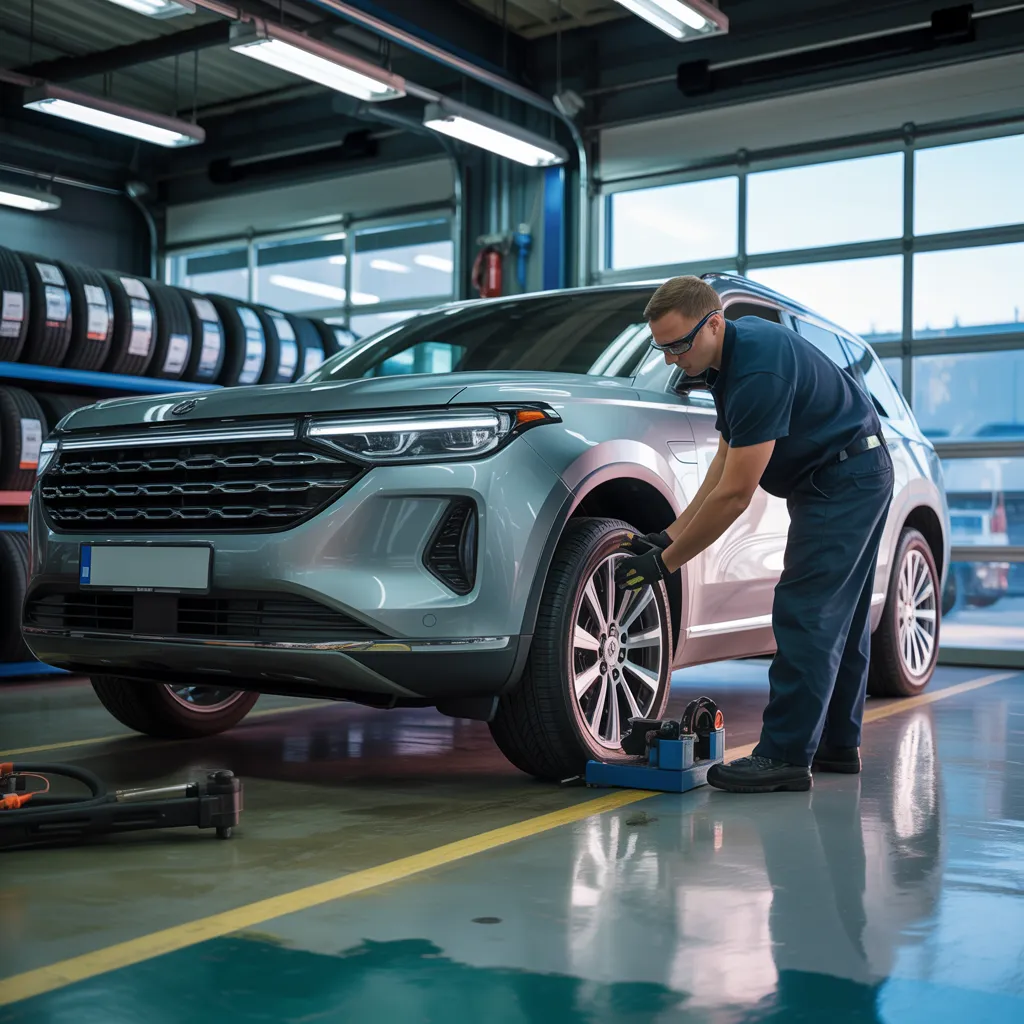
Determining When Your Vehicle Needs Fixes
How can one tell when a vehicle requires attention? There are various key indicators that suggest a requirement for maintenance. Unusual noises, such as grinding or squeaking, often indicate brake or engine issues. Warning lights on the dashboard, particularly the check engine light, should not be ignored, as they signal potential problems that demand immediate investigation. Additionally, a decrease in performance, such as sluggish acceleration or difficulty starting, can also suggest underlying mechanical issues.
Visual markers, such as oil seepage or uneven tire wear, are further indications that maintenance is needed. If the vehicle pulls toward one direction while driving, this could indicate alignment complications or tire defects. Regularly observing these factors can help guarantee timely servicing, avoiding greater harm and expenses in the coming years. All things considered, being vigilant and proactive is essential for keeping your vehicle healthy.
How to Locate a Dependable Auto Repair Shop
Locating a reliable auto repair shop can be a tough job for vehicle owners. To begin, individuals should ask for recommendations from associates, family, or work associates. Own experiences often convey pertinent information into a operation's quality of service. Online reviews and ratings on platforms like Yelp or Google can further help evaluate consumer contentment.
Next, confirming certifications and affiliations with established sector bodies, such as the Automotive Service Excellence (ASE), can highlight a shop's commitment to professional standards. It is advisable to tour likely candidates for an starting consultation, allowing owners to assess cleanliness, organization, and customer service.
In addition, getting written estimates before any work begins can eliminate disagreements regarding costs. Finally, a reliable shop should be transparent about its services and willing to describe repairs. By taking these steps, vehicle owners can increase their chances of finding a trustworthy details auto repair shop.
The Essential Value of Routine Vehicle Maintenance
While many car owners may overlook routine upkeep, regular vehicle maintenance is crucial for ensuring a car's longevity and peak performance. Skipping upkeep can lead to a cascade of issues, from small hassles to major failures. Routine checks, such as oil replacements, tire rotations, and brake inspections, can avoid expensive maintenance and improve road safety.
Moreover, regular maintenance helps preserve a vehicle's fuel efficiency, reducing overall expenses. It also preserves the selling price; a well-maintained car is often more appealing to potential customers.
Committing to regular upkeep cultivates a sense of accountability among owners, urging them to stay current about their vehicle's needs. By emphasizing maintenance, vehicle owners not only protect their monetary investment but also contribute to overall road safety. Ultimately, consistent vehicle care is a proactive approach that helps both the owner and the larger community.
Understanding Repair Costs
Understanding repair costs can often be perplexing for car owners. Various factors affect these costs, including labor charges, parts pricing, and the intricacy of the repair work. Labor expenses differ significantly by region and shop, often reflecting the mechanic's expertise and the facility's operating costs. In addition, the type of parts used—whether original equipment manufacturer (OEM) or aftermarket—can greatly affect the final bill.
Vehicle age and model also factor in; older or less common vehicles may require unique components that are more expensive and more difficult to find. Moreover, unexpected issues can occur during maintenance work, leading to supplementary charges that were not foreseen at first. By developing fundamental knowledge of such considerations, vehicle owners can address repair assessments with increased assurance and establish well-reasoned conclusions regarding their vehicle requirements.
How to Plainly Articulate Car Problems to Your Technician
Communicating car problems effectively to a mechanic can significantly improve the assessment and fixing process. When explaining issues, car drivers should be precise about indicators, such as unusual noises, vibrations, or alert indicators. Offering details on when the issue happens—whether during speeding up, decelerating, or idling—can also help the mechanic determine the problem.
It is useful to record any new changes in driving patterns or repair records. Applying plain, direct wording reduces uncertainty, helping the repair specialist to grasp the situation more clearly. Owners should avoid using complex terminology unless they are sure of its meaning.
Moreover, delivering files, including service records or previous repair invoices, can furnish context. A thorough explanation not only enables swift diagnosis but also cultivates a cooperative bond between the car owner and the mechanic, ultimately contributing to effective repairs.
Creating a Sustained Bond With Your Auto Repair Shop
Creating a long-term bond with an auto repair shop depends on faith and openness. Regular superior service reinforces this connection, while open interaction channels ensure that customers feel appreciated and acknowledged. In combination, these elements form a collaboration that serves both the customer and the technician.
Create Belief Using Openness
When customers feel well-informed about the services their vehicles required, faith naturally grows between them and their auto repair shop. Transparency in communication is vital; it enables customers to understand the basis behind recommended repairs and maintenance. Auto repair shops that provide clear details, transparent estimates, and open conversations build a sense of security among their clientele. This openness not only simplifies the repair process but also empowers clients to make educated decisions. Moreover, sharing information about the shop’s qualifications, warranties, and service history strengthens credibility. By emphasizing transparency, auto repair shops can develop lasting relationships, encouraging repeat business and loyalty. Ultimately, trust through transparency sets the stage for a more rewarding and dependable auto repair experience.
Consistent High-Grade Service
Consistent quality service is the basis of a lasting relationship between customers and their auto repair shop. When customers get trustworthy and responsive repairs, they are more likely to come back for ongoing care. This trustworthiness fosters trust, allowing customers to feel confident in the competence of the technicians. Over time, as customers see the same excellent quality being upheld, a sense of loyalty develops. Quality checks carried out regularly and conformance to industry standards guarantee that vehicles are not only restored but also maintained to forestall future issues. Such dedication to excellence creates an atmosphere where customers are appreciated, knowing their vehicles are in competent hands. Ultimately, this commitment to consistent quality service strengthens the tie between auto repair shops and their clientele.
Create Communication Routes
Effective dialogue serves as an important bridge between clients and their auto repair shops, strengthening trust and clarity. Transparent communication channels foster a cooperative environment where clients feel appreciated and informed. When repair shops offer clear descriptions regarding services, costs, and schedules, customers can make more informed decisions about their vehicles. Regular notifications during repairs can alleviate anxiety and establish trust in the shop's expertise. Similarly, customers who communicate their worries and preferences add to a more tailored experience. This mutual conversation not only strengthens connections but also promotes dedication. By emphasizing transparent dialogue, auto repair shops can build a reputation for dependability, ensuring that customers come back for future needs, confident in the service they will obtain.
Frequently Requested Questions
What Should I Consider if My Car Stops Abruptly?
When a car malfunctions suddenly, the driver should carefully move to the side of the road, turn on hazard lights, evaluate the situation, and contact roadside assistance or a tow service if needed. Remaining composed is crucial.
How Can I Verify if a Mechanic Is Sincere?
To determine a mechanic's reliability, one should check reviews, ask for referrals, verify qualifications, and observe transparency in costs. A trustworthy technician will speak plainly and provide detailed explanations of required maintenance and services.
What warranties apply to auto repairs work?
Numerous auto repair shops offer coverage on their work and components, typically spanning 90 days to several years. Customers should ask about specific details and requirements to guarantee adequate protection for their repairs.
What Products Should I Maintain in My Car for Emergency Situations?
A properly equipped car should include a spare tire, jack, jumper cables, flashlight, first aid kit, basic tools, and tire pressure gauge. These essentials help guarantee safety and address minor issues during unforeseen situations on the road.
What Can I Do to Prepare My Car for Changing Seasons?
To prepare a car for climate shifts, one should check liquid amounts, check tires for tread and pressure, check the battery, change wipers, and make certain lights operate as intended for maximum safety and performance.